
November 2026
Vol. 1 | No. 2

From the editor
Creatine is one of the few supplements with a proven effect, and that is exactly why it makes a good test case. Its benefit for people who lift weights is measured and repeatable. This issue asks a narrower question that the marketing now answers for everyone: what does creatine do if you do not train at all? The answer runs from one clear medical use, through two promising but small trials, to several claims that larger trials did not support. The Explainer turns to skincare, a shelf where almost every product carries a scientific-sounding claim, and asks what a routine built only on the evidence would contain. As always, every number is traced back to the study it came from, so you can judge how much weight each claim can bear.
Table of contents
Explainer
What does a science-backed skincare routine look like?
About the cover
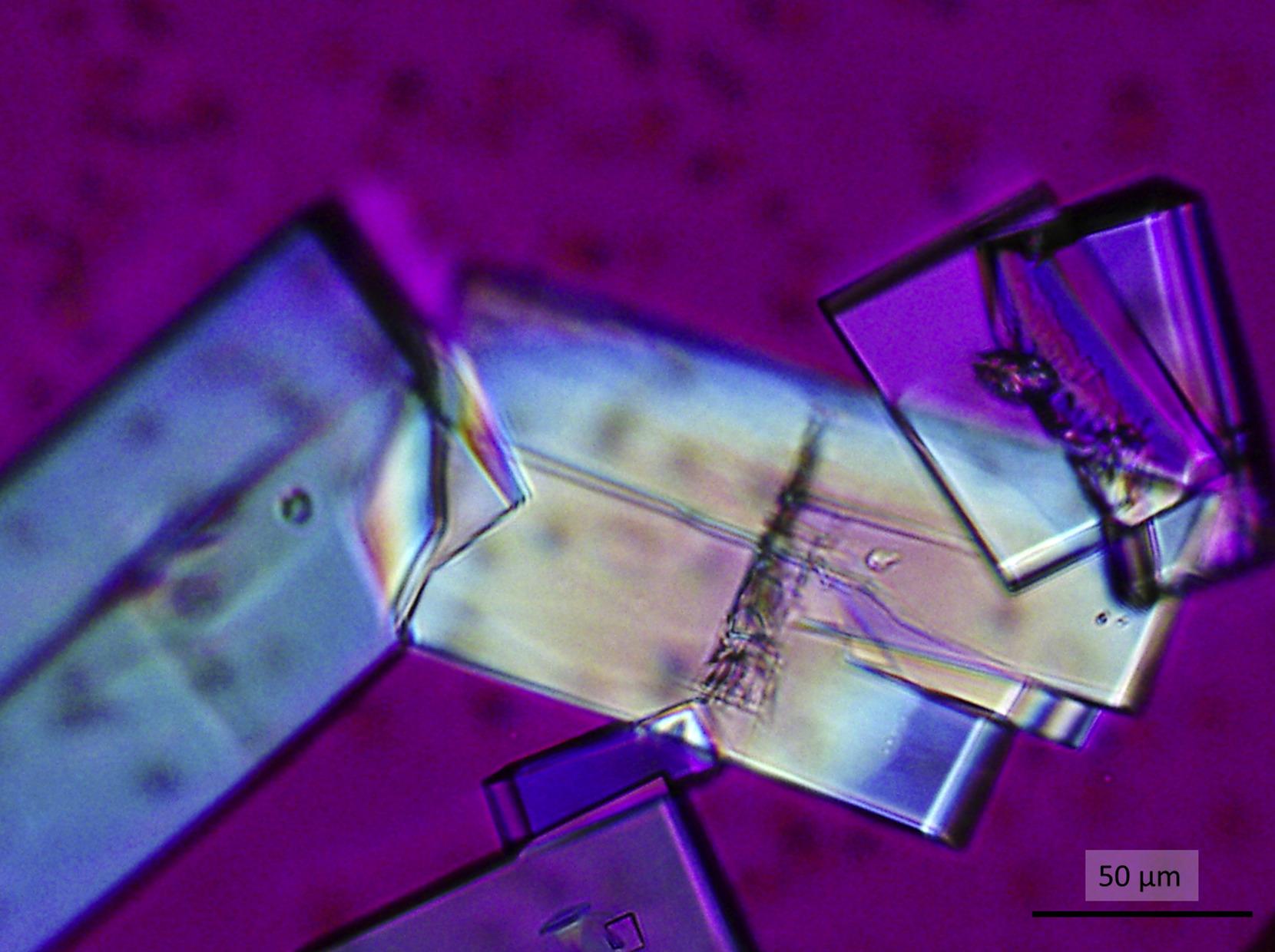
Creatine crystals in a urine sample, seen under the microscope. They came from a 39-year-old woman in Paris whose blood tests suggested kidney failure, although her kidneys were working normally. Her blood creatine was about 28 times the upper limit of normal, enough to throw off some lab tests for creatinine. Her doctors suspect the homemade milkshakes a friend gave her every day. It was the first report of creatine crystals in urine, and a very rare one: the authors write that creatine dissolves easily in the body and is unlikely to harm the kidneys this way.